
Safe Chemical Storage in New Zealand: A Guide for Businesses
Cleaning chemicals are part of everyday operations for many New Zealand businesses. From offices and schools to gyms, hospitality venues, warehouses, healthcare facilities, and commercial cleaning companies, these products help maintain hygiene, safety, and presentation.
However, chemicals that are useful when handled correctly can create risks when stored poorly.
Incorrect chemical storage can lead to spills, product contamination, damaged packaging, accidental exposure, reduced cleaning performance, and avoidable workplace safety issues. In some cases, storing incompatible chemicals together can also create dangerous reactions.
For businesses, safe chemical storage is not just about tidiness. It is about protecting people, maintaining compliance, and ensuring cleaning products work as intended.
This guide covers practical chemical storage tips for New Zealand businesses and explains how to create a safer, more organised storage system.
Why Safe Chemical Storage Matters for New Zealand Businesses
Safe chemical storage helps reduce the chance of accidents and makes day-to-day cleaning more efficient.
When chemicals are stored correctly, businesses can:
-
Reduce the risk of spills and leaks
-
Protect workers from accidental exposure
-
Prevent product misuse
-
Keep cleaning products effective for longer
-
Avoid unnecessary waste
-
Improve workplace organisation
-
Support emergency preparedness
-
Maintain safer hygiene practices
In New Zealand, businesses that use, handle, or store hazardous substances must understand their responsibilities and manage the risks associated with those substances. WorkSafe New Zealand states that businesses must keep an inventory of hazardous substances used, handled, manufactured, or stored in the workplace, including hazardous waste.
What Counts as a Chemical in a Workplace?
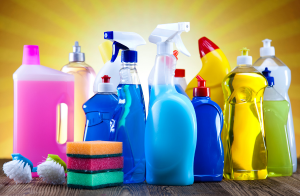
For many businesses, “chemical storage” does not only refer to industrial chemicals.
It can include everyday cleaning and hygiene products such as:
Some products may be classified as hazardous depending on their ingredients, concentration, and intended use.
Check the Product Label and Safety Data Sheet

The first step is always to check the product label and Safety Data Sheet. WorkSafe advises that the Safety Data Sheet should be the first place to look for storage information because it explains how the substance should be stored and what it should be kept away from.
Understand Your Safety Data Sheets
A Safety Data Sheet, often shortened to SDS, provides detailed safety information about a chemical product.
An SDS can include information about:
-
Product hazards
-
Safe handling
-
Storage requirements
-
PPE recommendations
-
First aid measures
-
Spill response
-
Firefighting measures
-
Disposal instructions
-
Transport requirements
WorkSafe states that it is mandatory to have a current SDS for each hazardous substance in the workplace, regardless of the quantity held.
Keep SDS Documents Easy to Access
Safety Data Sheets should not be locked away where staff cannot find them.
Keep them:
-
Near the chemical storage area
-
In a clearly labelled folder
-
Available digitally if appropriate
-
Accessible to workers who may use the chemicals
-
Available for emergency services if required
The EPA also describes the SDS and product label as key ways of communicating safety information for hazardous substances.
Create a Chemical Inventory

A chemical inventory is a list of the hazardous substances stored, used, or handled at your workplace.
This helps your business understand:
-
What chemicals are on site
-
Where they are stored
-
How much is being stored
-
Which products may require special handling
-
What information emergency services may need
-
Whether products are expired or no longer required
What to Include in a Chemical Inventory
A practical chemical inventory may include:
-
Product name
-
Supplier
-
Quantity stored
-
Storage location
-
Hazard classification, if applicable
-
SDS availability
-
Expiry date, if relevant
-
Date purchased
-
Person responsible
WorkSafe notes that inventories must be kept up to date and made available to emergency services workers.
Choose the Right Chemical Storage Location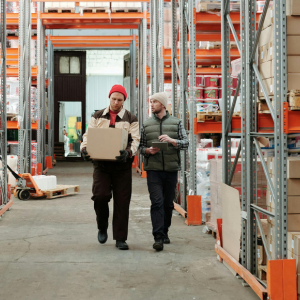
Where chemicals are stored matters.
A good storage area should be:
-
Cool
-
Dry
-
Well ventilated
-
Away from direct sunlight
-
Away from heat sources
-
Secure from unauthorised access
-
Separate from food and drink
-
Easy to inspect
-
Clearly organised
-
Suitable for the types of chemicals stored
Avoid storing chemicals in random cupboards, staff kitchens, bathrooms, vehicle boots, or areas where products may be exposed to heat, moisture, or physical damage.
Keep Chemicals Away from Food and Food Preparation Areas
Cleaning chemicals should never be stored beside food, beverages, packaging, utensils, or food-contact items.
This is especially important for:
-
Cafés
-
Restaurants
-
Commercial kitchens
-
Schools
-
Aged care facilities
-
Healthcare environments
-
Staff break rooms
Even a small leak or accidental mix-up can create a contamination risk.
Store Chemicals in Their Original Containers Where Possible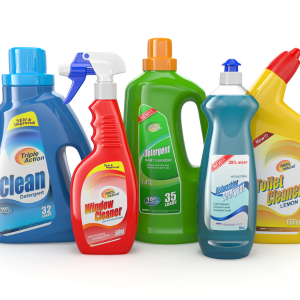
Original containers are designed to hold the product safely and usually include important label information.
Keeping chemicals in their original packaging helps staff identify:
-
What the product is
-
How it should be used
-
Hazard warnings
-
PPE requirements
-
Dilution instructions
-
First aid guidance
Be Careful When Decanting Products
Some businesses transfer chemicals into spray bottles or smaller containers for daily use.
If chemicals are decanted, the new container should be suitable for the product and clearly labelled.
The EPA states that hazardous substance labels must be in English, durable, easy to read and understand, clearly identify the hazardous substance, and not include false or misleading information.
Separate Incompatible Chemicals
Not all chemicals can be safely stored together.
Some products may react dangerously if they leak, spill, or are accidentally mixed.
For example, bleach-based products should not be mixed with acidic cleaners, as this can release hazardous gases.
Common Chemical Separation Tips
As a general rule:
-
Store acids away from alkalis
-
Store oxidisers away from flammable materials
-
Store bleach away from ammonia and acidic products
-
Keep food-safe chemicals separate from harsher cleaning chemicals
-
Follow the SDS for each product
-
Use separate shelves or cabinets where required
The correct separation method depends on the specific products and quantities stored, so always check the SDS and supplier instructions.
Control Access to Chemical Storage Areas
Not everyone in a workplace needs access to cleaning chemicals.
Storage areas should be controlled to reduce the risk of misuse, accidental exposure, or unauthorised handling.
Access Control Options
Depending on your workplace, this may include:
-
Lockable cupboards
-
Staff-only storage rooms
-
Clear signage
-
Restricted access for concentrated products
-
Designated trained staff
-
Separate storage for high-risk products
This is especially important in schools, childcare facilities, public venues, healthcare environments, and businesses where customers or visitors may access back-of-house areas.
Use Proper Shelving and Storage Cabinets
Poor shelving can increase the risk of dropped containers, leaks, and spills.
Avoid overcrowding shelves or stacking products in unstable ways.
Chemical Storage Shelving Best Practices
Use shelving that is:
-
Strong enough for the weight of stored products
-
Resistant to corrosion where necessary
-
Easy to clean
-
Stable and secure
-
Organised by product type
-
Not overloaded
Heavier containers should generally be stored on lower shelves to reduce lifting risks and prevent injury if a container falls.
Keep Storage Areas Clean and Dry
Chemical storage areas should be inspected and cleaned regularly.
Dust, moisture, spills, and clutter can increase risk and make it harder to identify problems early.
Signs Your Storage Area Needs Attention
Look for:
-
Leaking containers
-
Damaged packaging
-
Faded or missing labels
-
Sticky residue on shelves
-
Expired products
-
Strong chemical odours
-
Overcrowded storage
-
Products stored on the floor
-
Incompatible chemicals stored together
Small issues are much easier to fix before they become bigger safety problems.
Prepare for Spills and Leaks
Even with good storage practices, spills can happen.
Businesses should have a clear plan for responding safely.
Spill Response Essentials
Depending on the chemicals stored, your workplace may need:
-
Spill kits
-
Absorbent materials
-
Gloves
-
Eye protection
-
Aprons or protective clothing
-
Clear emergency procedures
-
Staff training
-
Waste disposal instructions
WorkSafe highlights that businesses should be prepared to deal with spills or leaks involving hazardous substances.
Train Staff in Chemical Safety
A safe storage system only works if staff understand it.
Training should cover:
-
Where chemicals are stored
-
How to read labels
-
How to find and use SDS documents
-
Which PPE to wear
-
How to dilute products safely
-
What not to mix
-
How to report damaged containers
-
What to do in a spill
-
How to dispose of empty containers
Make Training Part of Staff Induction
New employees should receive chemical safety training before handling cleaning products.
Refresher training is also useful when:
-
New products are introduced
-
Storage procedures change
-
Staff roles change
-
Incidents or near misses occur
Reduce the Amount of Chemicals Stored On Site
More chemicals often mean more risk, more clutter, and more complicated management.
WorkSafe recommends keeping the amount of hazardous substances stored to a minimum, as this can make products easier to manage and may reduce compliance needs and costs.
How to Avoid Overstocking
To avoid unnecessary stock build-up:
-
Order based on actual usage
-
Use stock rotation
-
Avoid buying too many similar products
-
Remove expired products
-
Review slow-moving stock
-
Consolidate products where possible
A simpler chemical range can make storage, training, and daily cleaning easier.
Rotate Stock and Check Expiry Dates
Cleaning products can lose effectiveness over time, especially if stored incorrectly.
Heat, sunlight, moisture, air exposure, and damaged packaging can all affect product performance.
Use First In, First Out
The “first in, first out” method means older stock is used before newer stock.
This helps:
-
Reduce expired products
-
Minimise waste
-
Maintain cleaning effectiveness
-
Improve inventory accuracy
-
Prevent forgotten products sitting at the back of shelves
Consider Signage and Emergency Information
Clear signage can help staff and emergency responders quickly understand what is stored in an area.
Some hazardous substances and storage locations may have specific signage requirements depending on the substance type and quantity.
Useful Storage Area Signage May Include
-
Chemical storage area
-
Authorised personnel only
-
PPE required
-
No food or drink
-
Emergency contact information
-
Spill response instructions
-
First aid location
-
SDS location
Signage should be easy to read, visible, and kept up to date.
If you want to explore this topic further, our article 10 Common Chemical Storage Mistakes Businesses Make breaks down these mistakes in more detail and explains how to prevent them.
Choosing the Right Cleaning Products for Your Business
Safe storage starts with choosing suitable products for your workplace.
When selecting cleaning products, consider:
-
What surfaces need cleaning
-
Whether the product is suitable for commercial use
-
Dilution requirements
-
PPE requirements
-
Storage instructions
-
Product concentration
-
Staff training needs
-
Compatibility with existing products
-
Waste and disposal requirements
Using the right products helps simplify cleaning routines and reduce unnecessary chemical risks.
Professional Cleaning Products for New Zealand Businesses
At Insinc, we supply commercial cleaning products to businesses throughout New Zealand.
Our range includes everyday cleaning products, hygiene supplies, enzyme cleaners, disinfectants, paper products, cleaning accessories, and commercial solutions designed to support safe, effective workplace cleaning.
Whether you manage a school, gym, office, hospitality venue, healthcare facility, or commercial cleaning operation, choosing quality products and storing them correctly helps protect your staff, customers, and workplace.
Explore Insinc’s commercial cleaning range or contact our team for advice on choosing the right cleaning products for your business.
Frequently Asked Questions
What is the best way to store cleaning chemicals?
Cleaning chemicals should be stored in a cool, dry, well-ventilated area away from direct sunlight, heat, food, drink, and unauthorised access. Always follow the product label and Safety Data Sheet.
Do New Zealand businesses need Safety Data Sheets?
Yes. WorkSafe states that workplaces must have a current Safety Data Sheet for each hazardous substance, regardless of the quantity held.
Can cleaning chemicals be stored together?
Not always. Some chemicals are incompatible and should be stored separately. Always check the Safety Data Sheet for each product before storing chemicals together.
Should cleaning chemicals be kept in their original containers?
Where possible, yes. Original containers include important safety and product information. If a product is decanted into another container, the new container should be suitable and clearly labelled.
How often should chemical storage areas be inspected?
Chemical storage areas should be checked regularly. High-use workplaces may need weekly checks, while a more detailed inspection can be done monthly to review inventory, SDS documents, labels, expiry dates, and spill response supplies.
https://www.insinc.co.nz/category/cleaning-products-supplies.html